Neat News 3528 (added 2026-02-13)

Lowering cholesterol with CRISPR

In a first test with 15 patients, a one time infusion with a genetherapy CRISPR generated substance led to the reduction of cholesterol by almost 50 percent and of triglycerides by around 55 percent. The effect started two weeks after the treatment and lasted for at least 60 days. More research is needed. The approach may offer an alternative to the current treatment against high cholesterol blood values.

related: #CRISPR #cholesterol

Neat News 3527 (added 2026-02-12)

New cancer test

Using the CRISPR technology, a new blood test has been created that can find cancer biomarkers in tiny amounts of blood. This could become a test to detect cancer long before any symptoms show.

related: #CRISPR #cancer #blood_test

Neat News 3526 (added 2026-02-11)

Low carb low fat diet and heart health

There had been some conflicting results as to the positive effects of a low carb low fat diet. New research found that for such a diet in order to have a strong effect, details are important and should be built on high-quality foods, for instance, be based on whole grains and unsaturated fats.

related: #diet #heart_health

Neat News 3525 (added 2026-02-10)

Plant against hair loss?

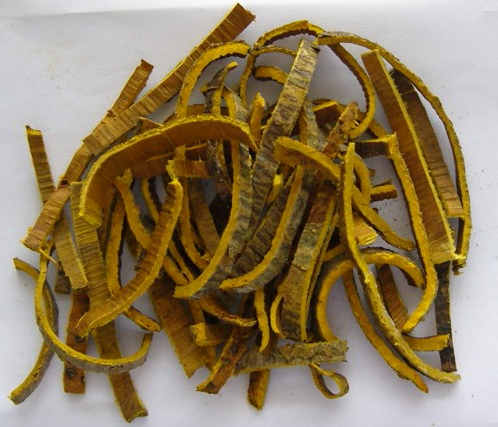
A traditional Chinese medicinal root, Polygonum multiflorum (Chinese knotweed), appears to be effective against some forms of hair loss, for instance, by protecting follicles from damage and activating regrowth signals.

related: #hair #plant

Neat News 3524 (added 2026-02-09)

Caffeine for better cognition

coffeeDrinker.jpg

In a new study with more than 130,000 participants it has been found that the long-term intake of (ideally daily 2 to 3 cups of) caffeinated coffee leads to a lower risk of dementia and better cognitive performance. The same is not true for decaffeinated coffee consumption, but for tea consumption.

related: #caffeine #cognition #dementia

Neat News 3523 (added 2026-02-06)

Compostable material for diagnostics

antigenTest.jpg

In many medical diagnostic elements such as the Covid-19 rapid antigen tests, a lot of plastic is used and then disposed. The Covid-19 pandemic has resulted in millions of tons of additional plastic rubbish. Now a substitute material is being developed that is mainly made of plant-based stark; it is stable, however, it almost completely decomposes when composted.

related: #compost #medical_diagnostic

Neat News 3522 (added 2026-02-05)

Avoiding ultra processed food in diet

A new study found that people who avoid ultra processed food typically eat around 50 percent more food by weight, but they still consume on average 330 calories less per day.

related: #ultra_processed_food #diet

Neat News 3521 (added 2026-02-04)

Robot fish to clean oceans from microplastics

microplastics.jpg

A robot fish has been developed that can collect microplastics from the oceans.

related: #robot #fish #microplastics

Neat News 3520 (added 2026-02-03)

Quantum computing

qbit1.png

A new combination of so-called optical tweezers and metasurfaces has allowed to combine more than 1000 atoms as so-called qubits, reaching the limit of standard methods. It is assumed that it is possible to build this way quantum computers with 100,000 qubits become possible, then probably making them surpassing traditional computers on many problems.

related: #quantum_computer #qubit

Neat News 3519 (added 2026-02-02)

Looking after grandchildren

grandparent.jpg

A new study finds that looking after grandchildren keeps old people mentally fit. They score better on memory and verbal skills than those who do not.

related: #grandchildren #mental_fitness